

Getting evicted from your home is stressful and honestly, pretty confusing, especially if you think your landlord isn’t following the law. In California, strict rules exist for landlords, but not every eviction follows them.
If you’re facing wrongful eviction in California, you still have rights. You can fight back, stay in your home while you challenge the eviction in court, and possibly get money if your landlord broke the law.
Time matters here. Usually, you only get five days to respond to an eviction notice.
Knowing your rights and the legal process can really help you protect yourself from an illegal eviction. Here’s a no-nonsense guide to what you can do if you think your landlord’s trying to push you out without a legal reason.
Key Takeaways
- Respond to an eviction lawsuit within five days or you could lose your rights and get an automatic judgment against you.
- California law says landlords need a valid legal reason and must follow the right procedures, otherwise the eviction doesn’t hold up.
- You can defend yourself in court and might get compensation if your landlord evicts you illegally or skips proper steps.
Recognizing and Responding to Wrongful Eviction in California

California gives tenants a lot of protection, but you need to know what makes an eviction illegal if you want to defend yourself. If you spot the warning signs and know how to react, you’re way less likely to get pushed around by a landlord who’s ignoring the rules.
What Constitutes a Wrongful Eviction
A wrongful eviction happens when your landlord tries to kick you out without following the legal steps. California Civil Code says landlords need a real reason and have to go through the courts.
Some valid reasons for eviction:
- Not paying rent
- Breaking the lease
- Damaging the property
- Doing illegal stuff on the property
- Owner moving in (with the right notice)
- Big remodeling projects
The Tenant Protection Act of 2019 added “just cause” rules for most evictions. Your landlord can’t just decide they want you out, they need a legal reason.
If your landlord skips the court process or makes up a fake reason, that’s wrongful eviction. Sometimes the reason sounds legit but is just a cover.
Tenant Rights and Protections
California law gives you real protections against illegal eviction. You can stay in your home until a judge actually says otherwise.
Your landlord must serve you with a proper written notice before they can file an eviction lawsuit. The notice period depends on the reason, 3 days for unpaid rent, 30 or 60 days for no-fault evictions.
Some tenant rights you should know:
- Get proper notice
- Respond in court
- Have a lawyer
- Live in a safe, habitable place
- Protection from retaliation
You can’t get evicted just for complaining about repairs, reporting code violations, or standing up for your rights. California law protects these activities.
If you win your eviction case or if your landlord drops it, they might have to pay your attorney fees too.
Common Illegal Eviction Tactics
Landlords sometimes try “self-help” eviction, which means they try to force you out without ever going to court.
Watch out for these illegal moves:
- Changing your locks
- Tossing your stuff out
- Turning off your water, power, or gas
- Taking off doors or windows
- Threats or harassment
- Repeatedly entering without notice
Sometimes landlords offer you cash to leave fast. Buyouts are legal, but if you feel threatened or pressured, it’s not above board.
Your landlord can’t physically remove you or your things. Only a sheriff with a court order can actually evict you. Anything else breaks California Civil Code Section 789.3.
Retaliatory evictions are illegal too. If you recently requested repairs or filed a complaint, and your landlord tries to evict you within 180 days, the law assumes it’s retaliation.
Immediate Steps to Take if Facing Wrongful Eviction
Start documenting everything as soon as you think something’s off. Take photos of notices, texts, emails, and any damage.
Here’s what to do right away:
- Don’t move out. Staying put protects your rights.
- Keep paying rent. Even if your landlord refuses it, keep trying and save proof.
- Call the police if your landlord locks you out or cuts off utilities.
- Reach out to a tenant rights group or legal aid for advice.
- Collect your lease, rent receipts, and any messages from your landlord.
If your landlord uses force or intimidation, file a police report. That way there’s an official record.
If your city has a rent board, check in with them. They can help right away and let you know your options. You can also file a complaint if your landlord breaks eviction laws.
If your landlord won’t stop with the illegal stuff, think about asking for a temporary restraining order. Courts don’t mess around with wrongful evictions and might step in fast.
Navigating the Legal Eviction Process and Defending Against Unlawful Detainer Actions
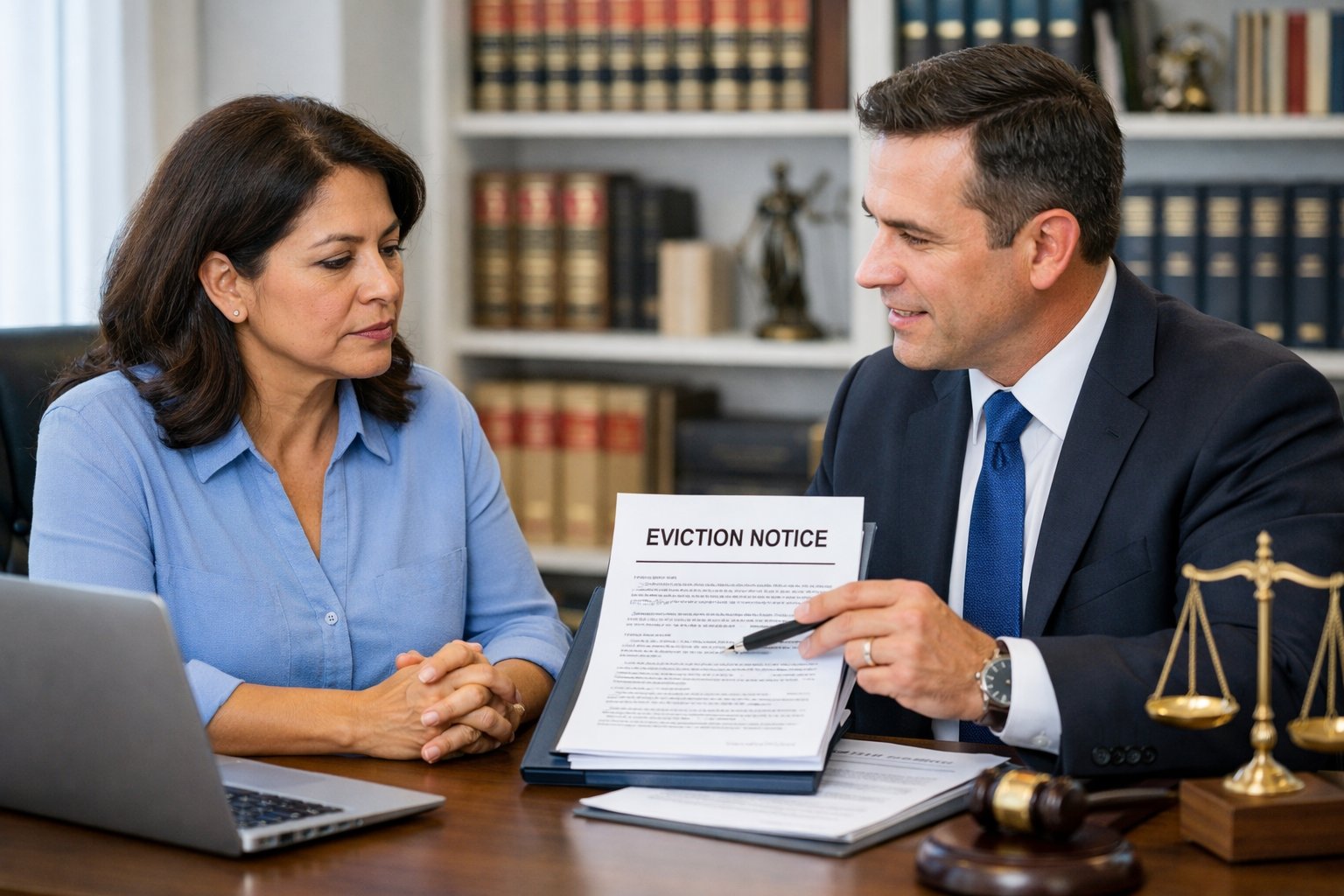
California makes landlords follow specific steps before they can remove a tenant. If you know the process, it’s easier to spot when your landlord is cutting corners or breaking the law.
The Official Eviction Process in California
Landlords have to start with a written eviction notice. The most common is a 3-day notice to pay rent or quit, giving you three days to pay up or move out.
For month-to-month rentals, you might get a 30-day or 60-day notice to vacate.
If you don’t comply, your landlord can file an unlawful detainer lawsuit in court. That’s the only legal way to remove you. Your landlord can’t just lock you out, turn off your utilities, or take your stuff without a court order.
Once the eviction case starts, it moves quickly. If the landlord wins, the court gives them a judgment for possession.
Then, the landlord asks for a writ of possession. Only a sheriff or marshal can physically remove you after that.
Responding to an Eviction Notice or Lawsuit
If you get an eviction notice, check it for mistakes, wrong dates, wrong amount, wrong name, whatever. If you can pay the full amount during the notice period, do it. That usually stops the eviction.
If your landlord files an unlawful detainer lawsuit, you’ll get court papers. You have five days to file a written response. Miss that deadline and you lose by default.
List all your defenses in your response. Defenses could be improper notice, retaliation, discrimination, or your place being uninhabitable. Mention if you paid rent or if the landlord ignored repairs.
Legal Remedies and Next Steps for Tenants
Ask for a trial date when you file your response. That gives you time to gather evidence—photos, receipts, texts, emails. Bring witnesses if you have them.
You might qualify for free legal help from local legal aid groups. Many courts have self-help centers with forms and basic advice. Some cities have tenant rights groups that can help too.
If you win, you stay in your place. If you lose, you can ask the judge for more time to move. You might also be able to sue your landlord for damages if the eviction was illegal.
Frequently Asked Questions

California law gives tenants a lot of legal options if they get wrongfully evicted. The state’s civil codes lay out strict rules for landlords and give tenants ways to fight back and get compensated.
What legal steps can I take to seek compensation for an illegal eviction in California?
You can sue your landlord in civil court to get damages. You might get paid for actual damages like moving costs, hotel bills, or lost property.
California law also lets you get statutory damages, at least $100 per day for every day you’re illegally evicted. If your landlord was especially bad, the court might give you punitive damages too.
Gather evidence like photos, your lease, and statements from witnesses. A lawyer can help you build your case and handle the legal stuff.
What is the California Civil Code’s stance on wrongful eviction?
California Civil Code Section 789.3 says landlords can’t use force, threats, or lockouts to get tenants out. They can’t change locks, take out doors or windows, or cut off your utilities.
Landlords have to use the courts. They can’t just take matters into their own hands.
You get to stay in your home until a judge says otherwise. If your landlord skips this process, they’re breaking the law.
How would one file a wrongful eviction complaint in the state of California?
You file your complaint in the Superior Court for the county where you live. Fill out the civil complaint forms, pay the filing fee (or ask for a waiver if you need it).
Your complaint should explain your tenancy, what your landlord did wrong, and what damages you suffered. Attach your lease and any proof you have.
After you file, serve your landlord with the complaint. The court will set a hearing so both sides can tell their story.
What is the statute of limitations for filing a wrongful eviction claim in California?
You’ve got three years from the date of the wrongful eviction to file a lawsuit. That’s the usual deadline.
Don’t wait until the last minute. The sooner you file, the better, evidence disappears and people forget things.
What are potential legal penalties for a landlord who performs an illegal eviction in California?
Landlords have to pay at least $100 per day for each day you were wrongfully evicted. The court decides the final amount.
They also have to pay your actual damages, stuff like hotel bills, storage, or replacing your things.
If your landlord acted on purpose or was especially nasty, the court might give you punitive damages too. They may also need to pay your attorney fees and court costs.
How can an evicted tenant seek an extension due to hardship in California?
If you’ve just lost your eviction case, you can actually ask the court for a stay of execution. Basically, you’d need to file a motion that lays out your hardship and explains why you’re asking for extra time.
The court might give you up to 40 more days to move, but only if you show a good reason. Stuff like medical problems, trouble finding a new place, or money issues usually count.
You have to file your request before the sheriff shows up to enforce the eviction. The judge will look at your situation and also consider what your landlord wants before making a call.