
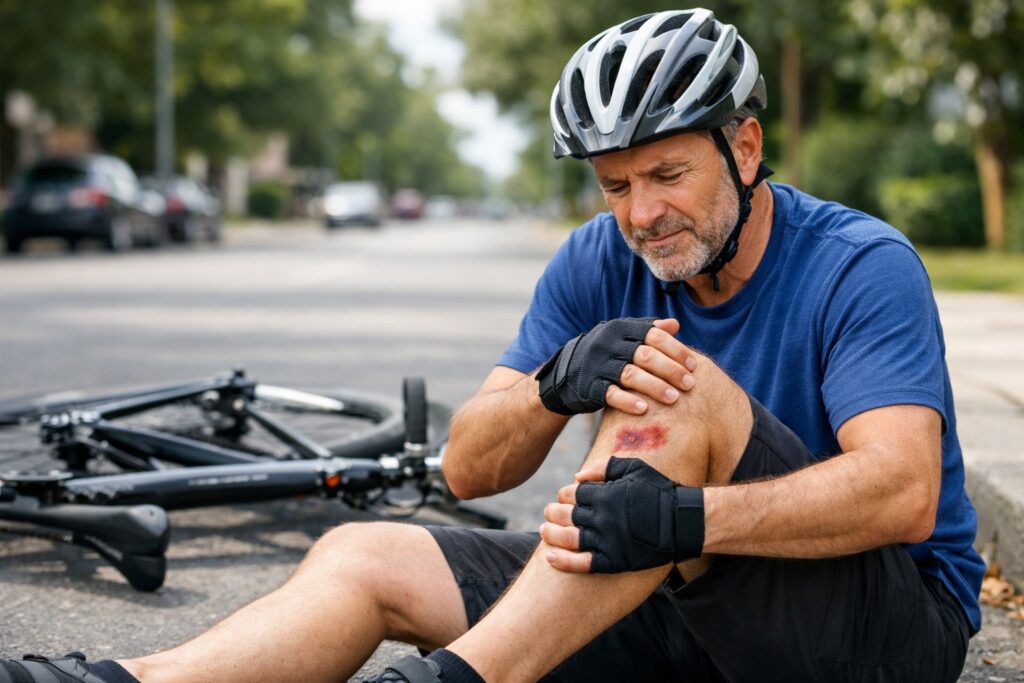
Most people who get into bike accidents focus on the obvious stuff, broken bones, deep cuts, things you can see right away. But honestly, a lot of riders walk away from crashes with injuries they don’t even notice at first.
These hidden injuries can sneak up on you and cause serious health problems weeks or even months later if you just brush them off.

Right after a bike accident, your body floods with adrenaline, and that can totally mask pain or symptoms. You might feel okay and decide to skip the doctor, but that’s actually pretty risky.
Some injuries don’t show up until they’ve gotten worse, so it’s easy to miss them early on.
If you know what to look for, you can protect your health and your legal rights. Many folks only realize they were hurt when symptoms show up later, and by then, things can get more complicated.
Key Takeaways
- Lots of bike accident injuries have delayed symptoms that can take days or even weeks to show up
- Leaving injuries untreated can lead to chronic pain or long-term health issues
- Getting checked out right after a bike accident helps document your injuries for any legal claims
The Most Commonly Ignored Bike Accident Injuries
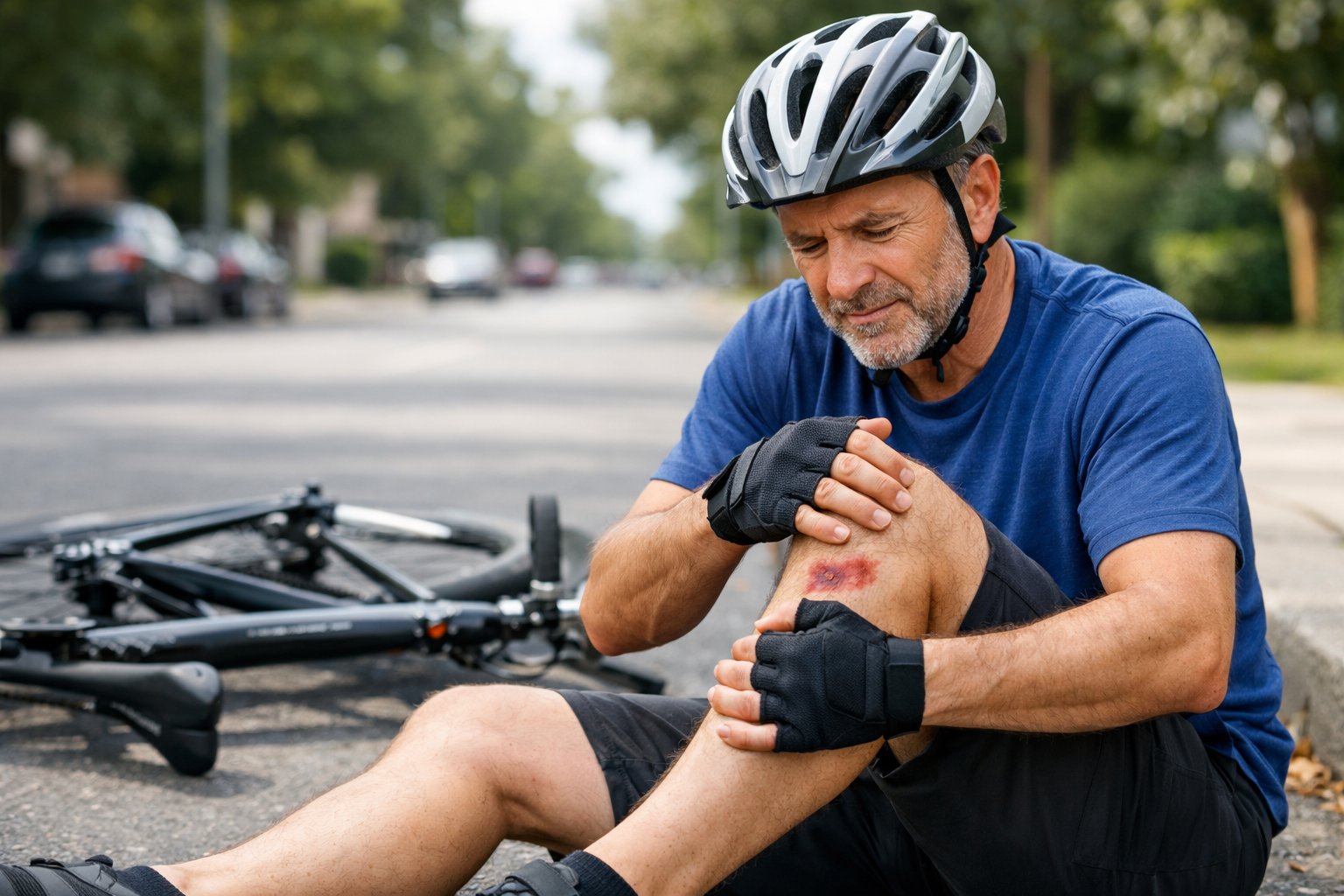
Plenty of people walk away from a bike crash thinking they’re fine, not realizing they’ve actually got injuries that need a doctor’s attention.
Sometimes symptoms start out mild or just feel like normal aches, but those can turn into big problems down the road.
Hidden Head Injuries: From Concussions to Traumatic Brain Injuries
Head injuries are some of the most dangerous and, honestly, the easiest to ignore after a bike accident. You might hit your head and feel totally normal, but concussions often hide their symptoms at first.
A concussion can bring on confusion, dizziness, headaches, or memory issues, sometimes hours or days after the crash. Even with a helmet, you could still end up with a traumatic brain injury (TBI).
Brain injuries like bleeding, swelling, or bruising can mess with your thinking and memory. Watch out for things like headaches that won’t go away, nausea, blurry vision, trouble focusing, or sudden changes in your mood.
A skull fracture might not leave a mark you can see, but it can still be really serious. It’s always smart to get checked out after any head impact, even if you feel okay.
Overlooked Internal Injuries and Organ Damage
Internal injuries are sneaky because they don’t usually show obvious signs right away. Your abdomen, chest, or back might just feel sore, but there could be something much worse going on inside.
Handlebars can slam into your stomach during a crash and cause blunt force trauma. That kind of impact can hurt your liver, spleen, kidneys, or intestines.
A bruise on an internal organ might seem minor but could turn into dangerous internal bleeding.
Keep an eye out for:
- Pain or tenderness in your belly
- Feeling dizzy or faint
- Fast heartbeat
- Shortness of breath
- Bruising that gets bigger or darker
You need to get medical imaging and treatment for internal injuries right away. Waiting too long can lead to shock, organ failure, or even worse.
Fractures and Broken Bones That Seem Minor
Not every fracture knocks you off your feet or leaves your arm at a weird angle. Sometimes you just think you’ve got a bad bruise, but there’s actually a break.
Hairline fractures in your ribs, wrists, collarbones, or fingers often feel like a sprain or sore muscle. Rib fractures are especially easy to miss because you can still move and breathe, but they can cause big problems like punctured lungs.
Your collarbone might crack in a fall but still let you use your arm a bit. Stress fractures and small breaks need real treatment to heal right.
If you skip the doctor, these fractures can heal wrong, cause pain that won’t quit, or mess with your mobility.
Unnoticed Soft Tissue and Road Rash Complications
Road rash might just look like a scrape, but sometimes those abrasions go deep and mess up your muscles, tendons, or nerves.
Any road rash bigger than a few inches or cuts that show deeper tissue really need a doctor’s look.
Soft tissue injuries, like muscle, ligament, or tendon damage, can make you stiff or swollen. It’s easy to blame that on normal soreness after a crash, but if you ignore it, you could lose movement or end up with chronic pain.
Infection risks with road rash:
- Dirt or debris stuck in the wound
- Bacteria from the road
- Not cleaning the wound well or soon enough
Deep road rash usually needs professional cleaning, maybe antibiotics, and you should watch for infection signs like redness, warmth, or pus.
The Long-Term Impact of Untreated Bike Accident Injuries
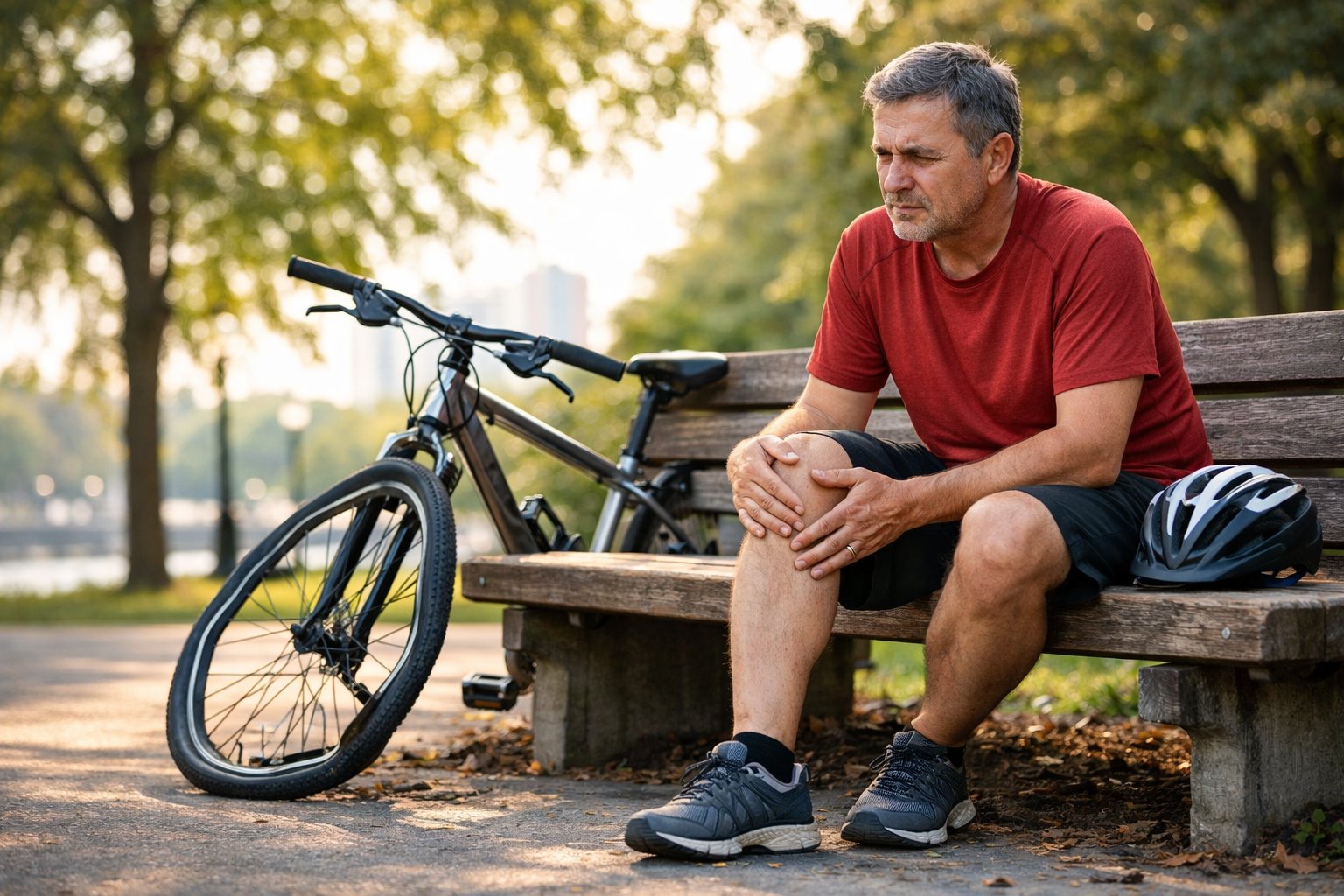
Ignoring injuries after a bike crash can turn into chronic issues that mess with your daily life for years. Spinal damage can affect your ability to move, and facial trauma often means expensive surgeries.
Chronic Pain and Paralysis Risks
Spinal cord injuries from bike accidents sometimes seem minor at first. Maybe you just feel a little back pain and think it’ll go away. But if you don’t treat spinal injuries, that pain can stick around for months or years.
Paralysis isn’t just something that happens in movies. If you don’t catch a spinal injury, even a small vertebra fracture can slowly damage your nerves. Swelling or bones shifting can add pressure and make things worse.
Your body might try to make up for the injury, which just creates new problems. You could end up with muscle weakness, numbness, or even lose bladder control. Sometimes these symptoms don’t show up until weeks after the accident.
Facial and Dental Injuries With Lasting Consequences
Bike crashes can leave you with facial injuries that scar or change your appearance for good. A broken nose that doesn’t get fixed right might heal crooked, mess up your breathing, or cause sinus problems.
Bruises on your face usually fade, but broken bones underneath need quick attention. Dental injuries can get expensive fast if you wait too long. Knocked-out teeth, cracked jaws, or hurt gums often get worse if you ignore them.
You might lose more teeth if infections spread.
Common long-term facial complications:
- Numbness or tingling from nerve damage
- TMJ disorders from jaw injuries
- Vision issues from orbital fractures
- Trouble chewing or speaking
The Importance of Protective Gear and Immediate Action
Wearing a helmet cuts your risk of serious bike injuries by up to 70%. Seriously, just wear one every time you ride. Helmets protect against brain injuries and facial trauma, and things like padded gloves or knee pads help too.
Get checked out by a doctor right after any bike accident. A lot of serious injuries don’t show up right away, and doctors can spot hidden damage with X-rays or exams.
If someone else caused your accident, a personal injury lawyer can help you recover compensation for what you’re going through. Take photos, save your medical records, this stuff matters if you need to prove how the accident affected you.
Frequently Asked Questions
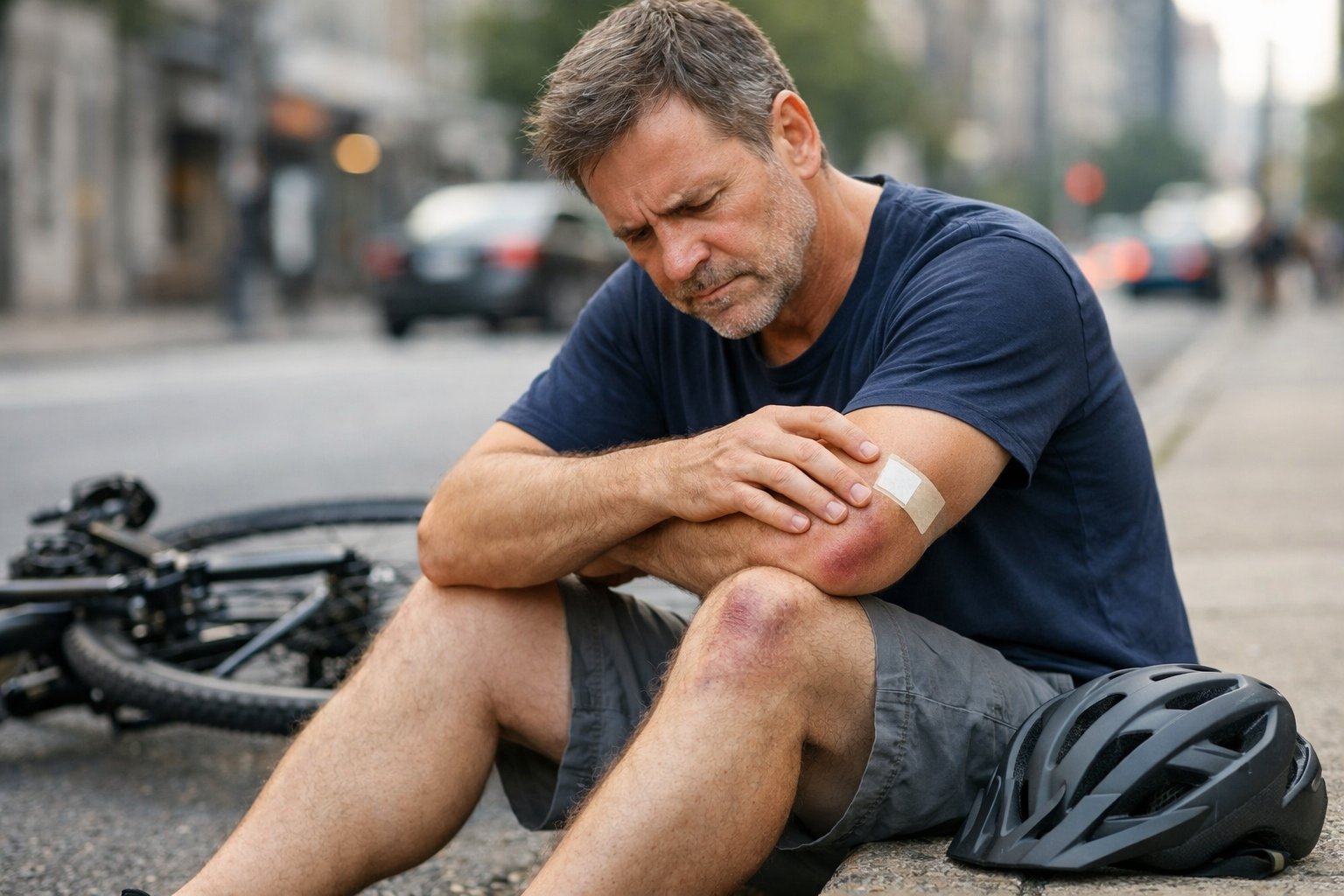
A lot of cyclists don’t realize some injuries can hide for hours or days after a crash. Getting checked by a doctor and knowing your legal rights can really protect you.
What are the typical injuries that cyclists might overlook after an accident?
You might miss minor concussions, small muscle tears, or soft tissue injuries right after your accident. Adrenaline can totally hide the pain, so you don’t notice the problem at first.
Internal bruises and tiny fractures in your ribs or hands often slip under the radar too. They might not hurt much at first, but they can turn into serious issues later on.
Which subtle symptoms should bike accident victims pay attention to post-incident?
Watch out for headaches that pop up hours or days after your crash. They might mean you’ve got a concussion or brain injury you missed.
Dizziness, trouble focusing, or weird sleep patterns are warning signs. Neck stiffness or shoulder pain that creeps in later can mean whiplash or muscle damage.
Numbness or tingling in your arms or legs can point to nerve damage. Even small vision or hearing changes are worth a doctor visit.
What are some non-obvious long-term effects of being in a motorcycle crash?
Chronic pain in your back, neck, or joints can show up months after a crash, especially if soft tissue injuries don’t heal right.
You might struggle with balance or coordination if you had an undiagnosed concussion. Memory problems or trouble focusing can stick around for years if brain injuries go untreated.
Some people develop arthritis in injured joints, even years later. Nerve damage can leave you with lasting weakness or pain.
How can seemingly minor bike injuries lead to serious health issues if untreated?
A bump on your head can turn into a brain bleed if you don’t get it checked. What feels like a little bruise could actually be internal bleeding.
If you ignore muscle or ligament tears, they can heal wrong and leave you weak or in pain. Minor fractures that aren’t set right can lead to joint problems or arthritis.
Soft tissue injuries that don’t heal properly can create scar tissue and limit your movement. Waiting too long for treatment usually makes things harder and more expensive to fix.
Why is it important for bike accident survivors to receive a full medical evaluation?
Doctors can find hidden injuries you don’t even feel yet. Medical imaging like X-rays or CT scans can spot fractures or internal damage before they get worse.
Getting checked right away gives you a medical record of your injuries. That’s super helpful if you need to file an insurance claim or consider legal action.
Early treatment stops small injuries from turning into permanent disabilities. Your doctor can get you started on the right treatment plan before complications kick in.
What legal steps should be taken following a motorcycle accident to protect the victim’s rights?
Start by snapping photos at the accident scene, your injuries, the bike, whatever looks important. Grab contact info from any witnesses, too. You never know who might have noticed something crucial.
Always file a police report, even if things seem minor at first. That official record might end up being a lifesaver for your case later on.
Before you talk to any insurance folks, reach out to a personal injury lawyer. Insurance adjusters usually want to settle fast, and honestly, they’re not looking out for you.
Hang on to your medical bills, receipts for repairs, and any proof of missed work. All that paperwork can really help when you’re trying to get fair compensation.